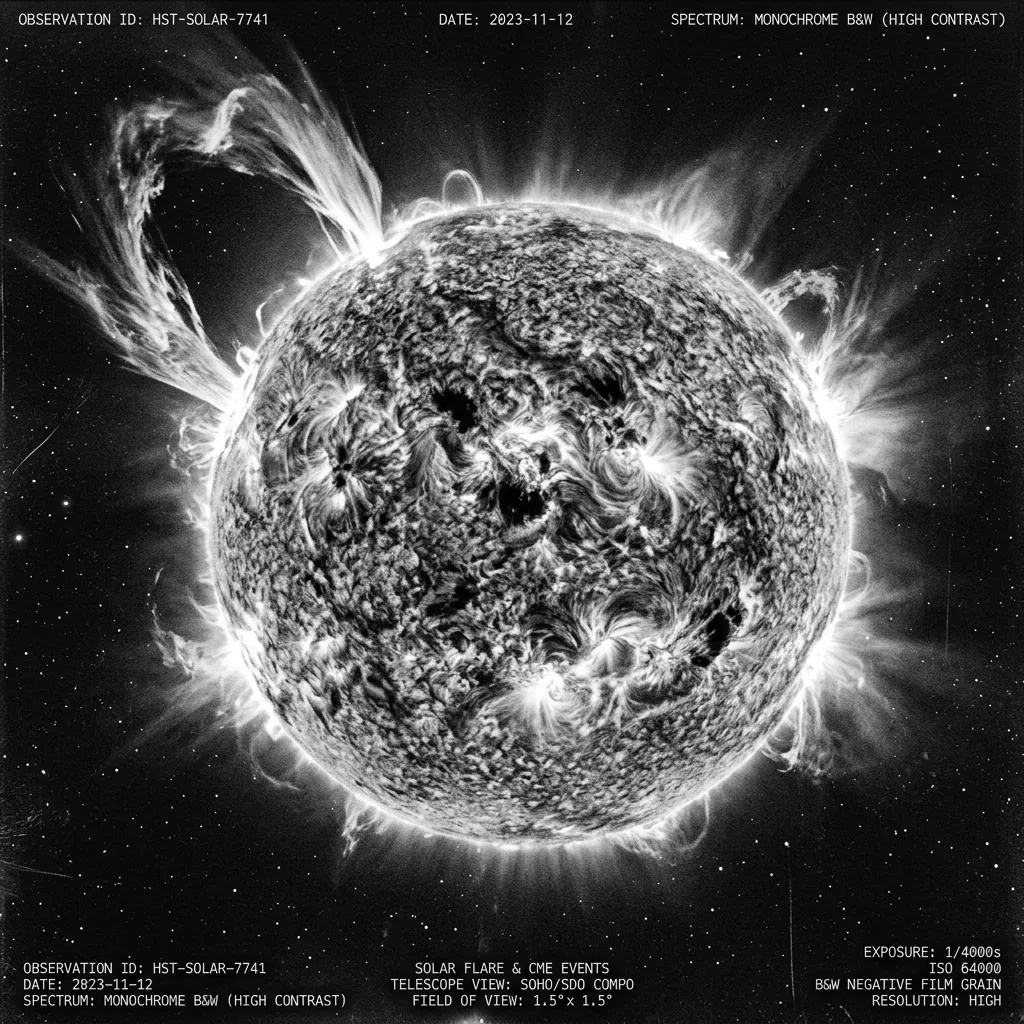
The Sun & Space Weather
NOAA SWPC
7 products15-min cyclesX-ray to particles
X-ray flux, planetary Kp index, electron and proton flux, solar flare alerts from the Space Weather Prediction Center.
Live readings from NOAA, USGS and other public instruments, explained in plain English. Every record stored unchanged and hashed.
Live · Free
Live map · Daily free layer
One live planetary feed unlocked free every day — rotating through GOES lightning, USGS earthquakes, National Weather Service warnings and active wildfires (plus elevated volcanoes) — with live counts across the rest. Tap any point to see its source, or step inside the full 36-stream cockpit.
Your level
Change it anytime. It changes the wording across the site, never the data.
What we watch
From the sun to the soil. Every reading comes from a public scientific source and is saved with a fingerprint (hash) so it can't be quietly changed later.
NOAA SWPC
X-ray flux, planetary Kp index, electron and proton flux, solar flare alerts from the Space Weather Prediction Center.
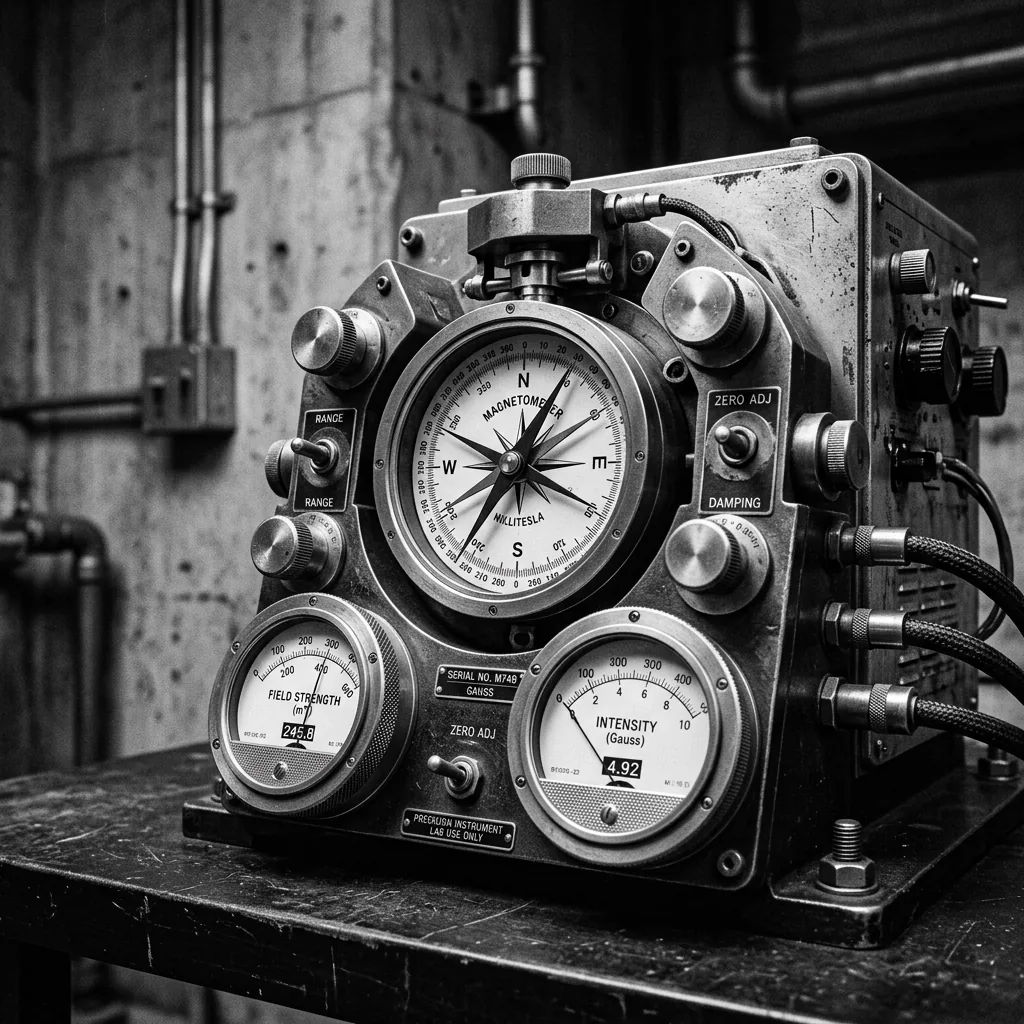
SWPC + USGS Ground Stations
Real-time magnetic field measurements from SWPC satellite data and USGS observatories at Boulder, Fredericksburg, Barrow, and Honolulu.
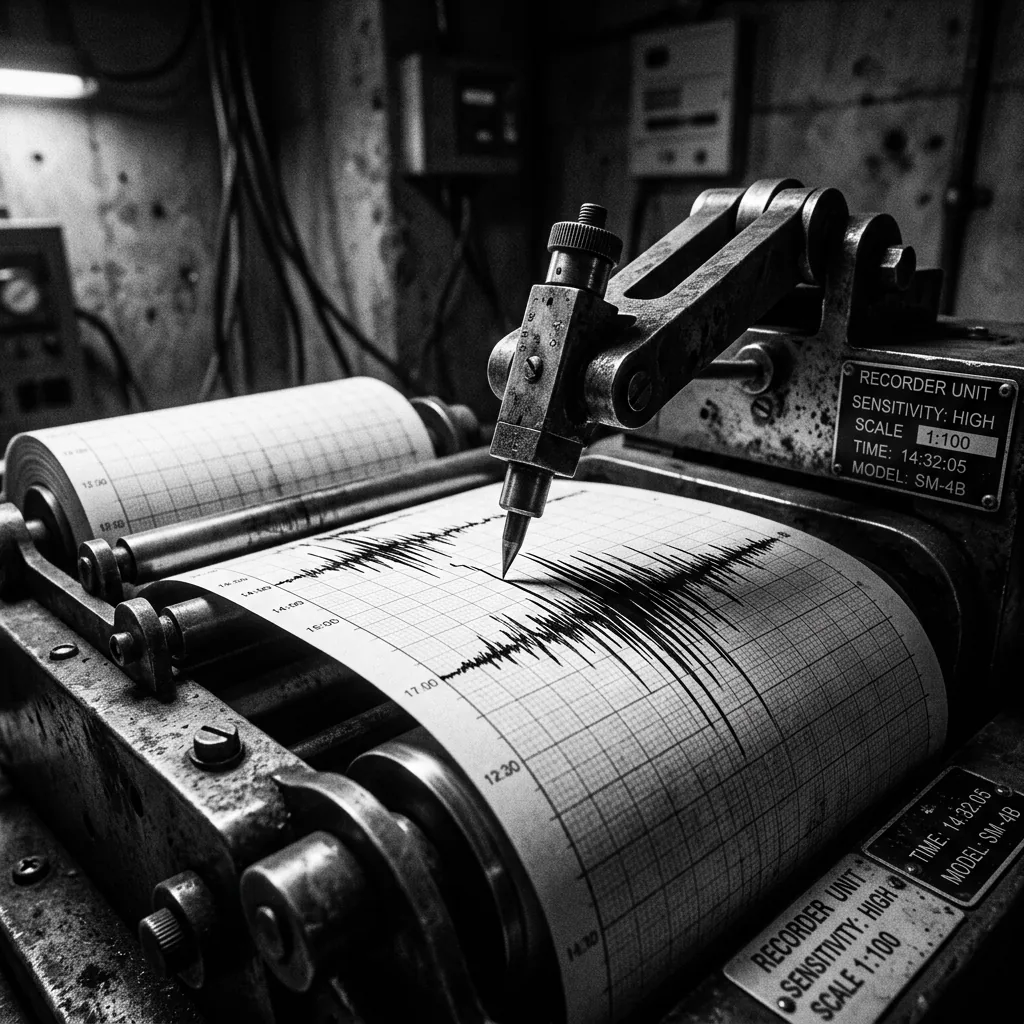
USGS FDSN Event API
Global seismic event monitoring with magnitude, depth, felt reports, and review status.
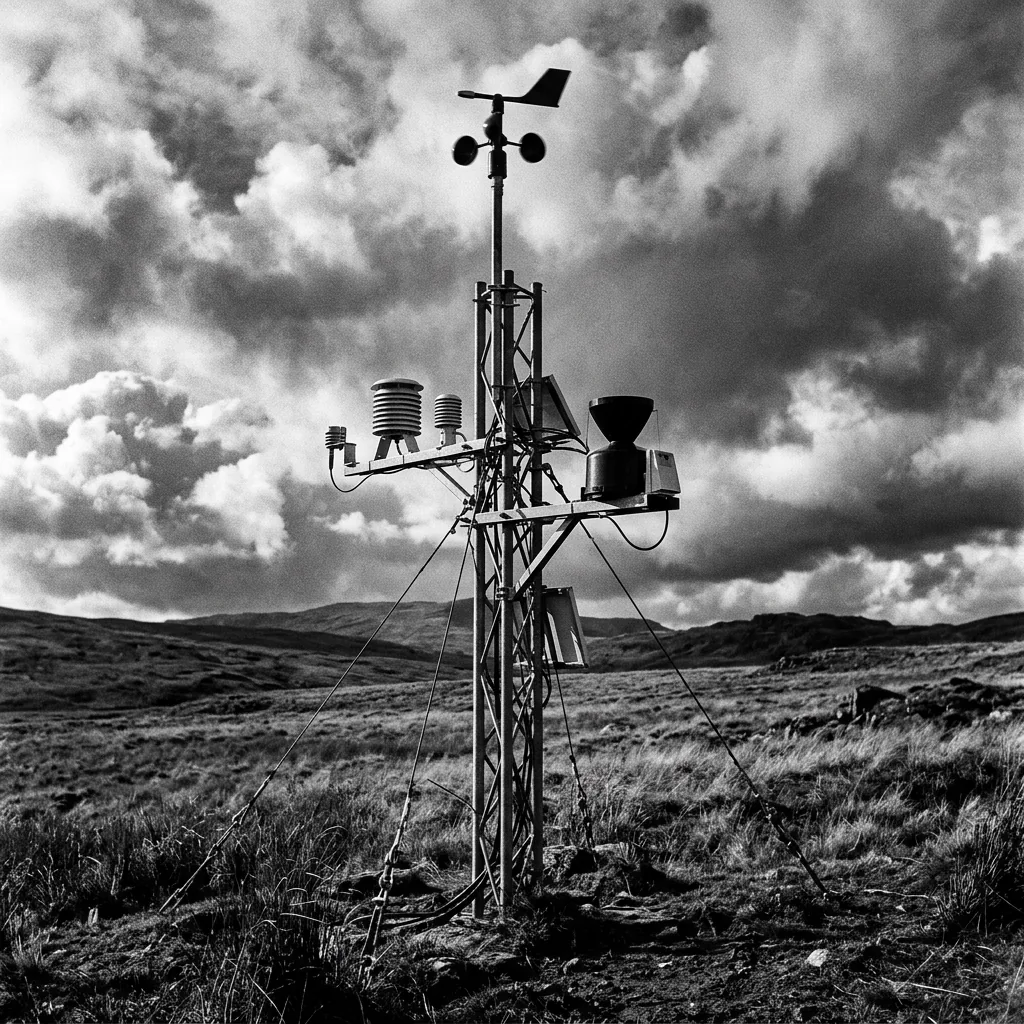
NOAA ASOS / Mesonet
Ground-level weather observations — wind speed, temperature, pressure, humidity, visibility from automated stations.
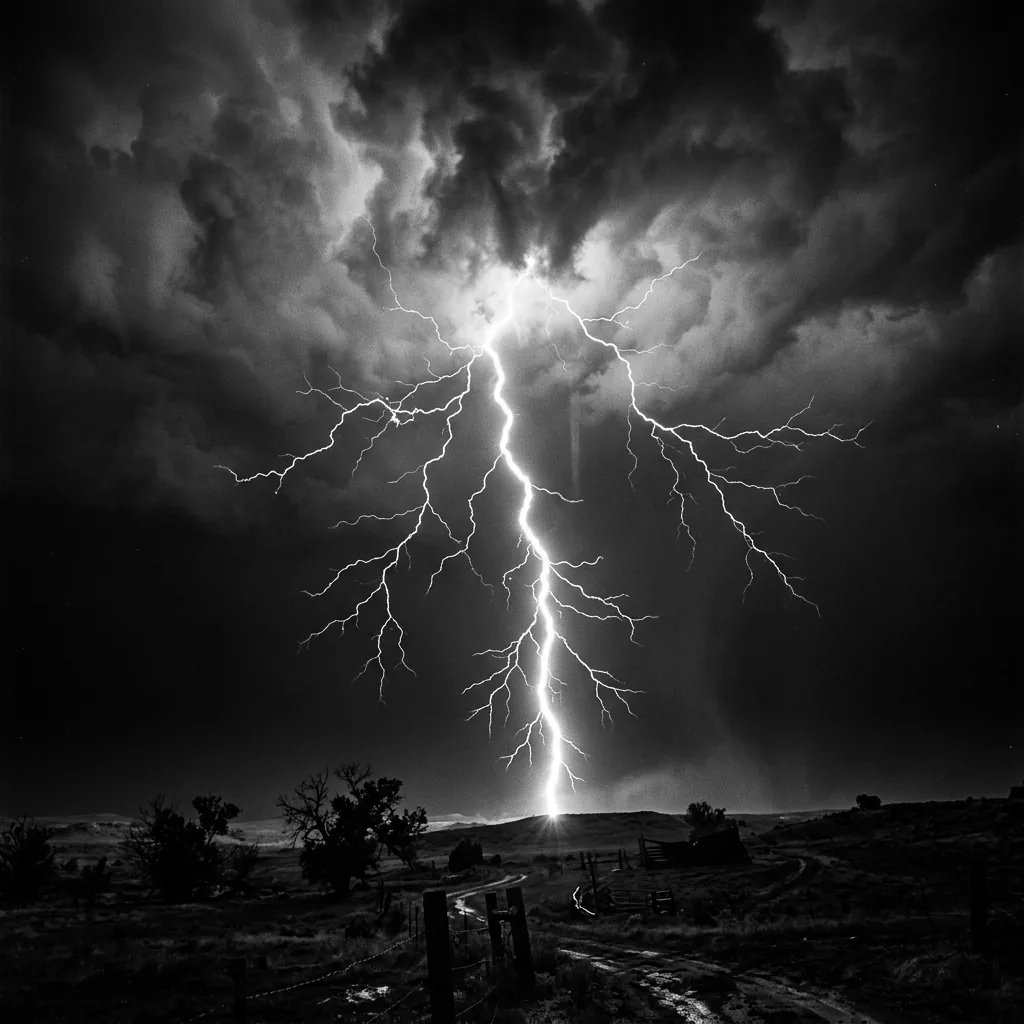
GOES GLM L2 Clusters
Geostationary Lightning Mapper cluster data from both GOES East and West platforms.
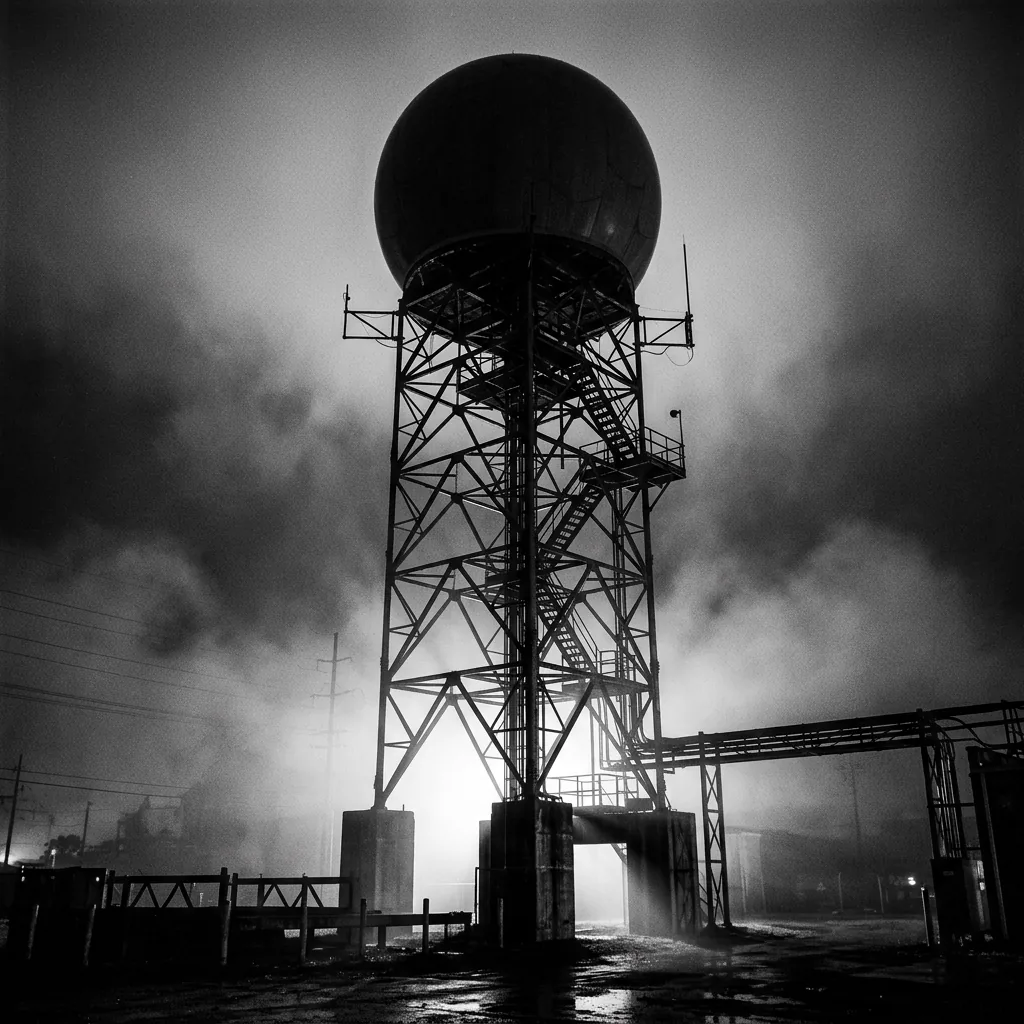
NOAA NEXRAD Level II
Real-time radar reflectivity, velocity, and spectrum width from the national Doppler network.
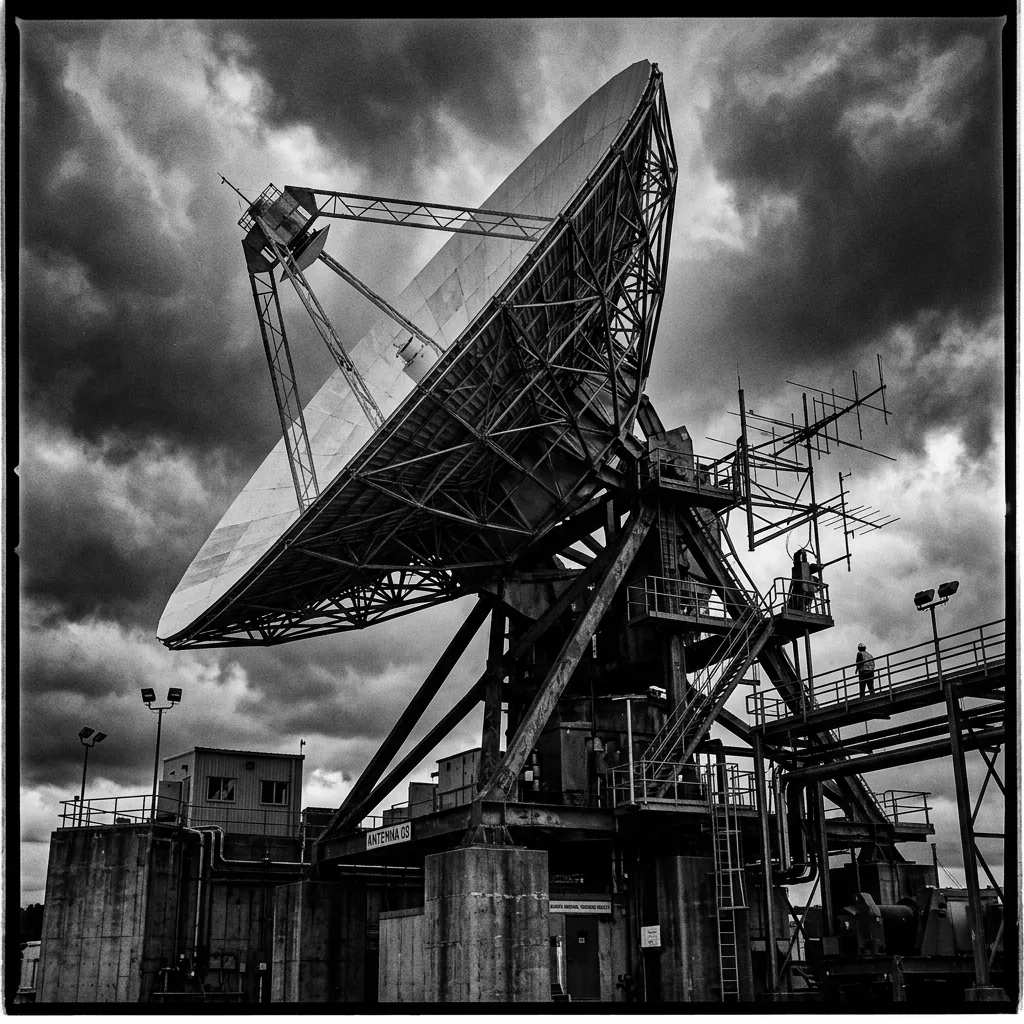
GOES-19 East + GOES-18 West
Multi-band satellite imagery covering the continental US. Infrared, visible, and water vapor channels.
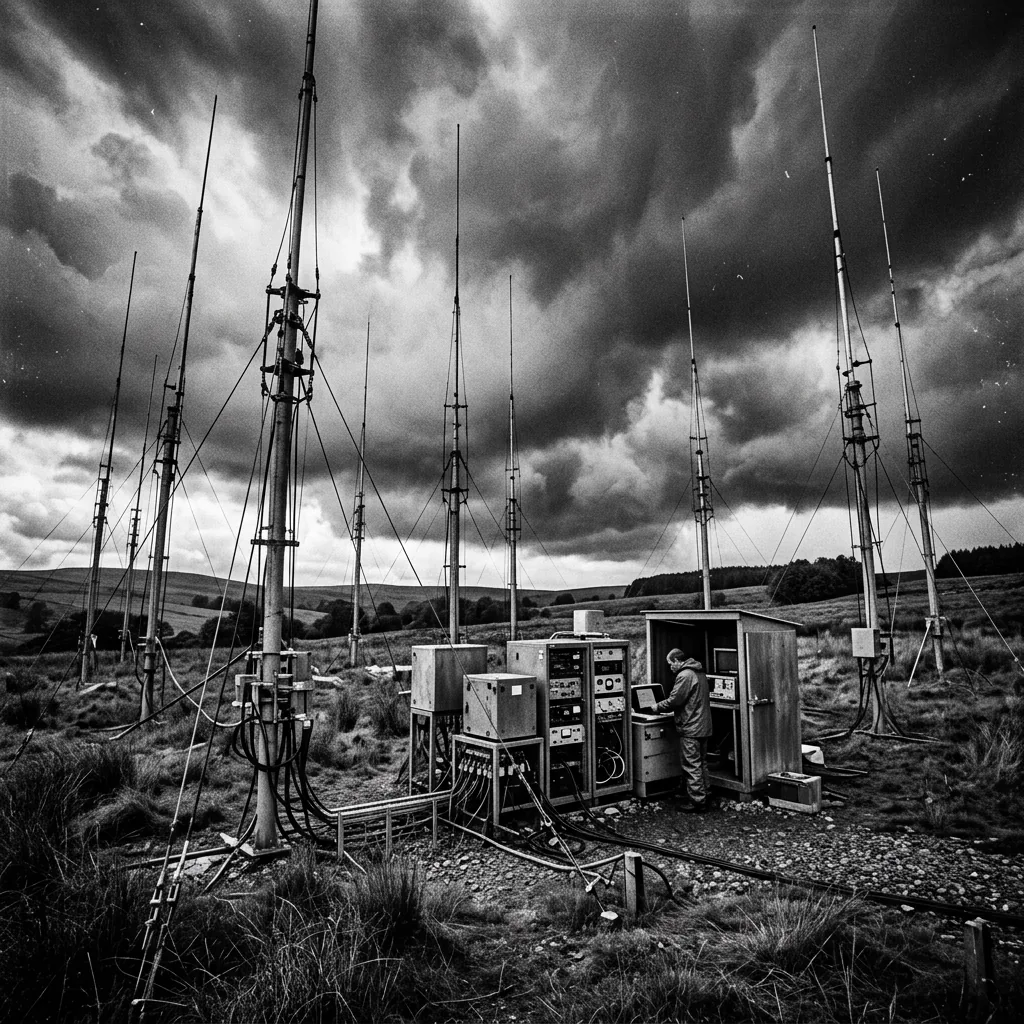
Blitzortung
Ground-based lightning detection network — stroke location, time, and amplitude from independent community sensors.
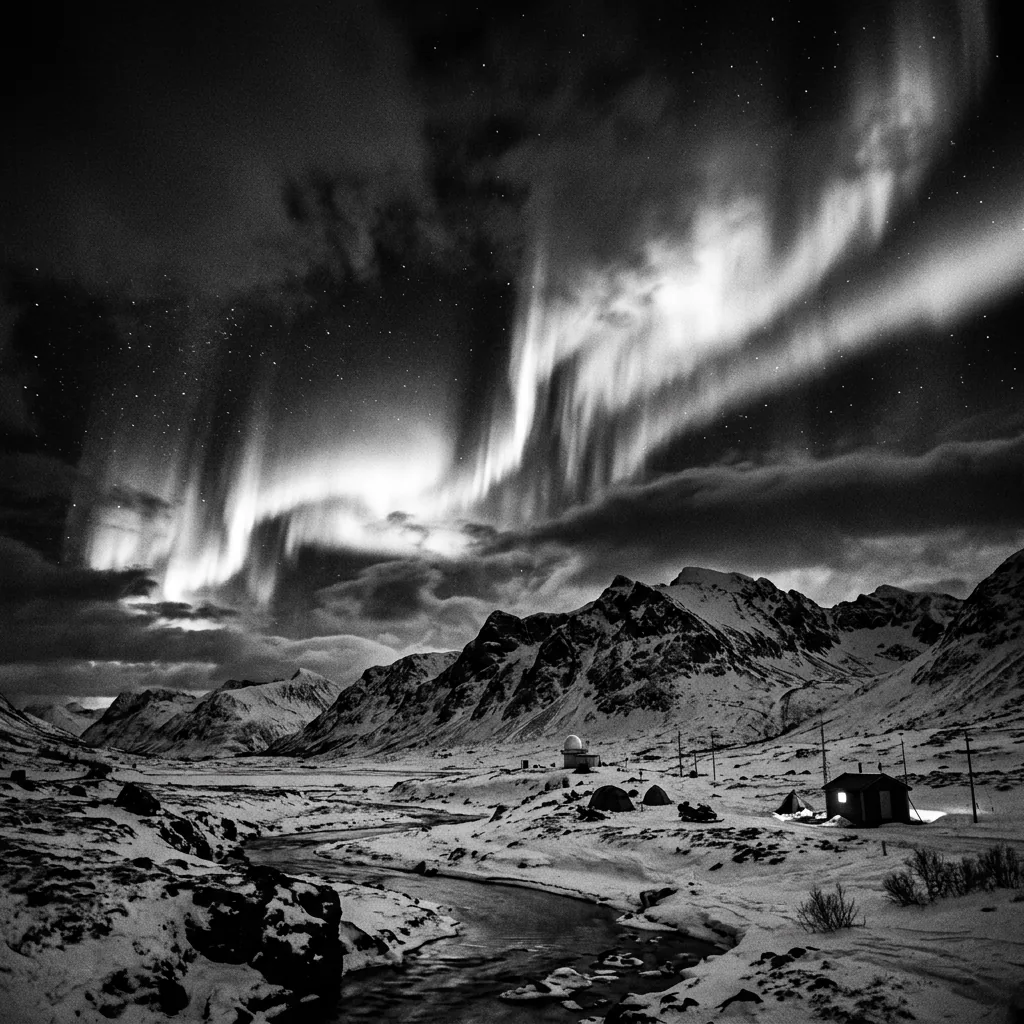
NOAA SWPC Products
Aurora power, EUV flux, planetary Kp, 3-day forecast, and solar event probabilities.
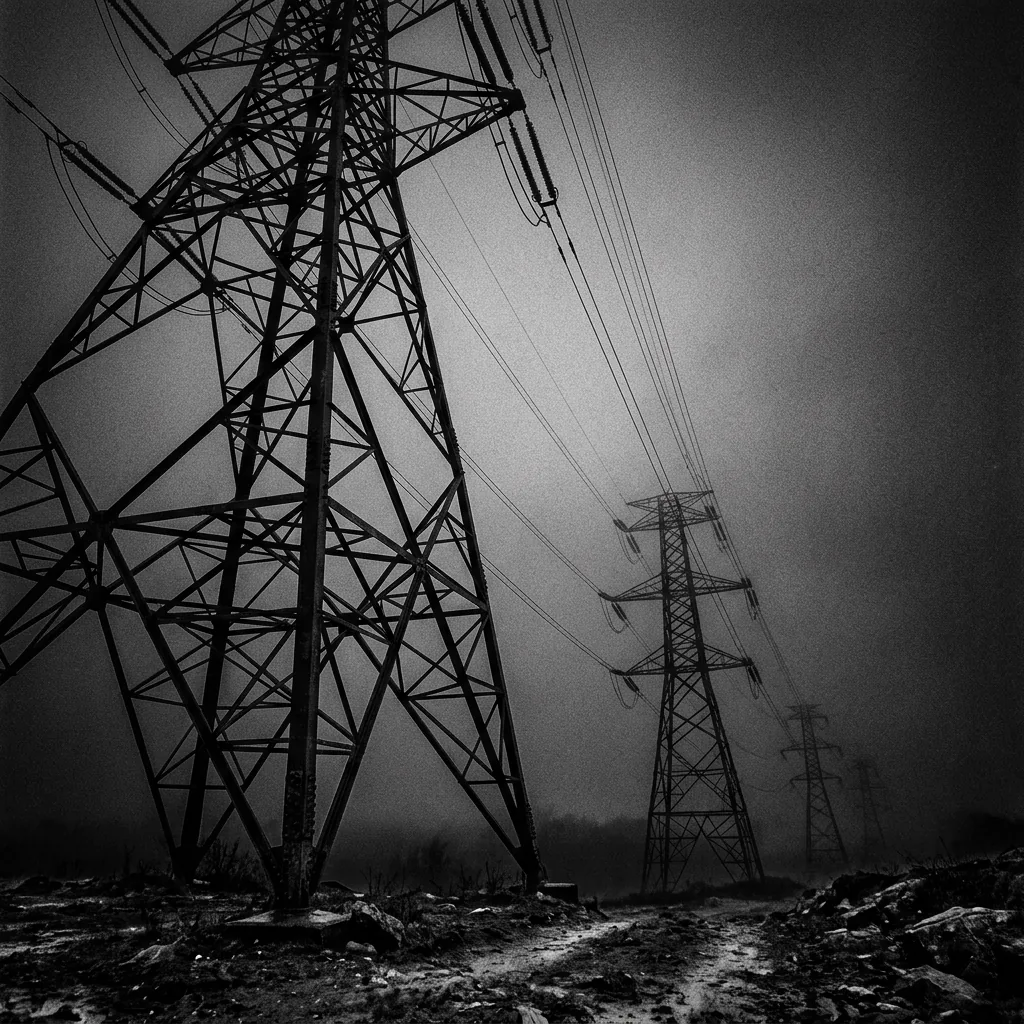
EIA-930 Open Data
US power grid demand by balancing authority, generation by fuel type, and interstate power flows.
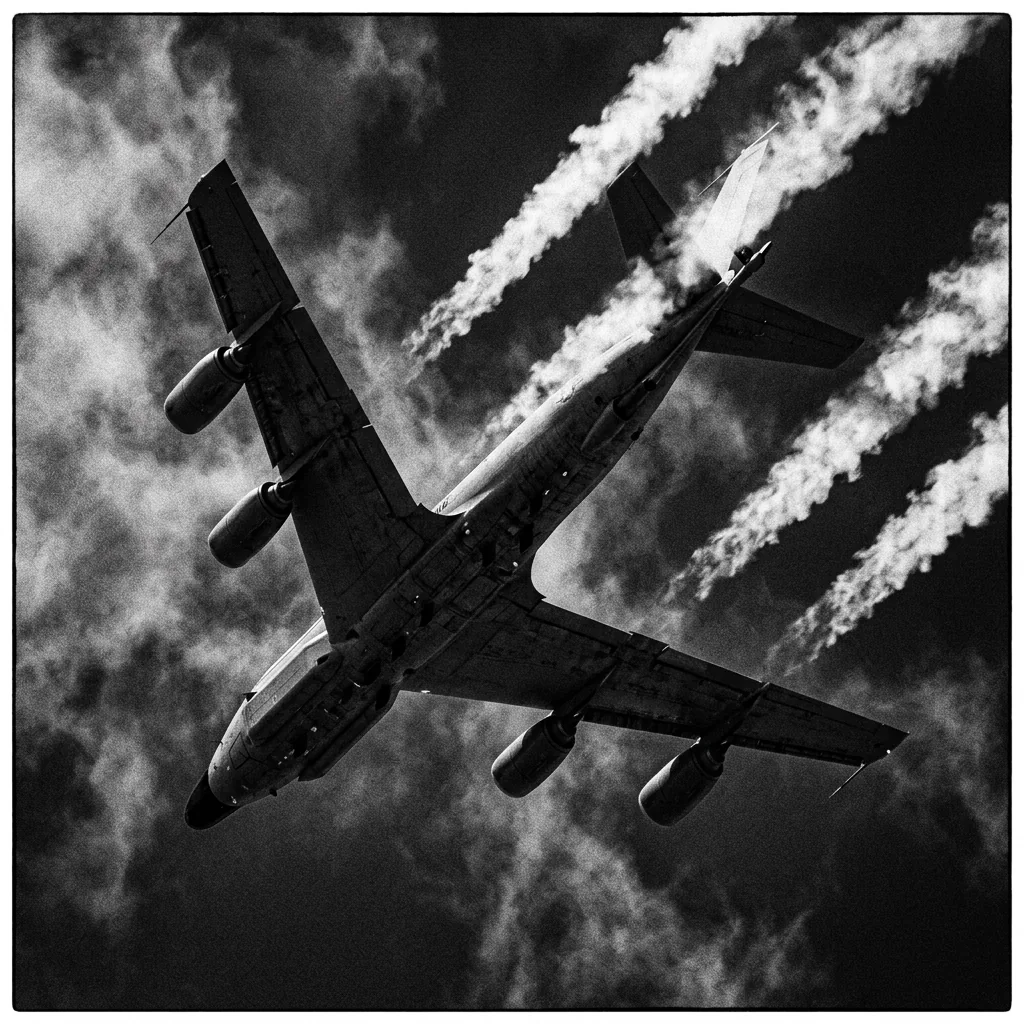
ADS-B Exchange
Aircraft tracks — position, altitude, type, and transponder data for correlating flight paths with atmospheric events.
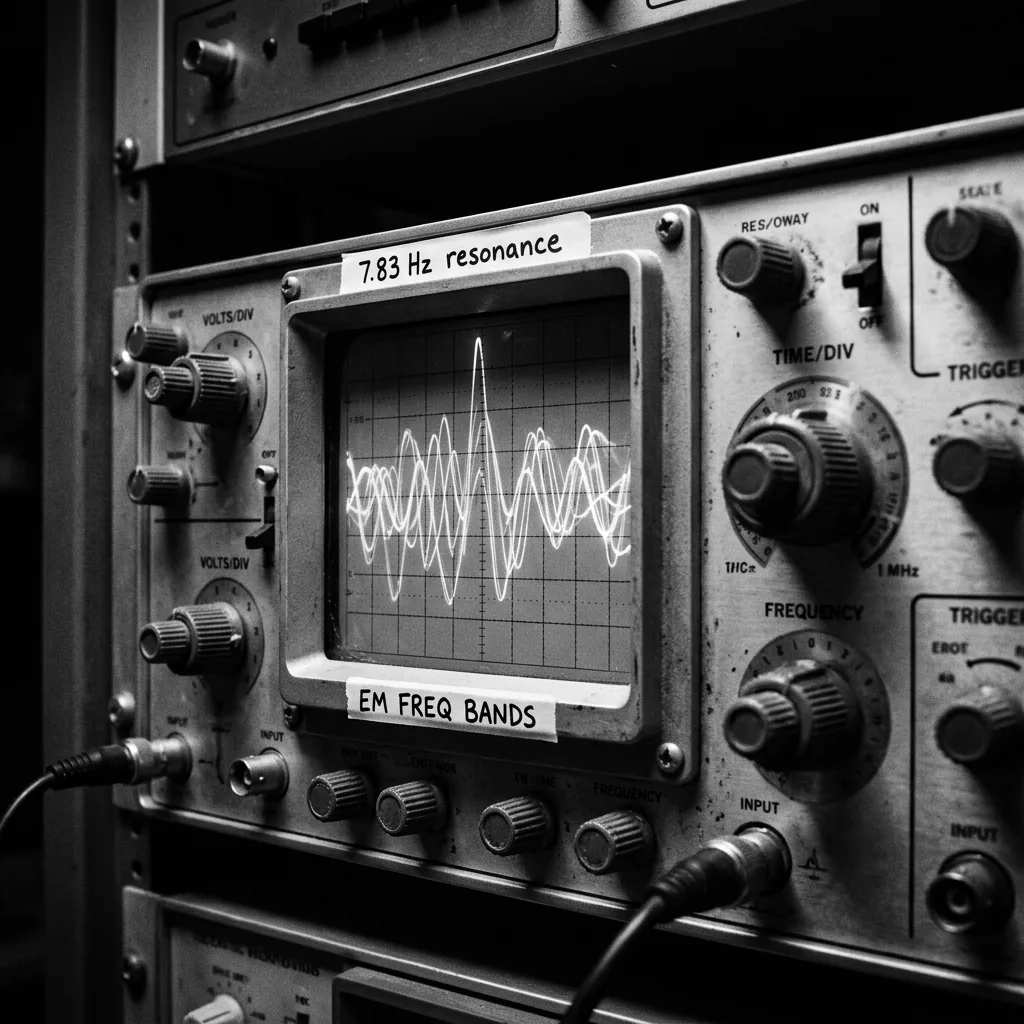
Multi-Station Aggregator
Electromagnetic resonance from multiple independent stations. Never single-source — cross-referenced for anomaly detection.
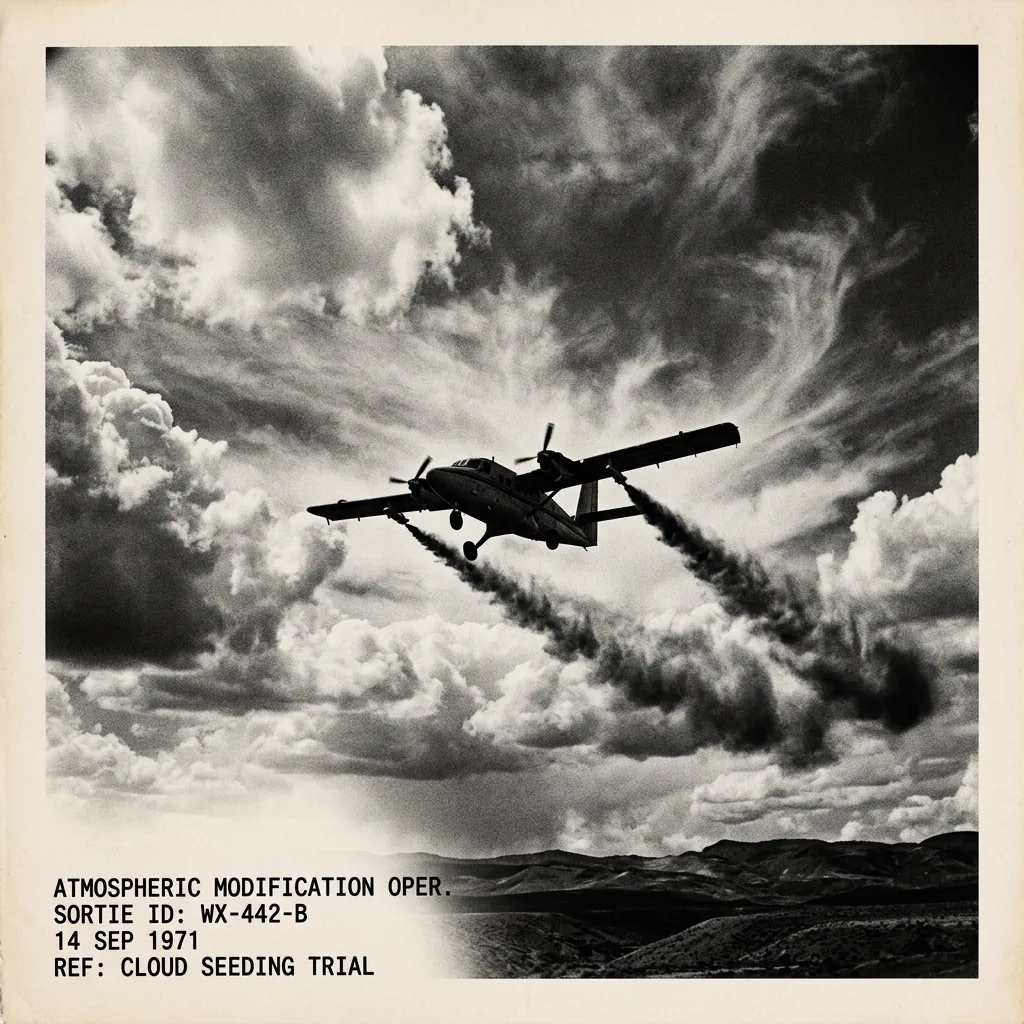
FAA + State Permits
Active flight restrictions, airspace notices, and authorized weather modification operations from state permit databases.
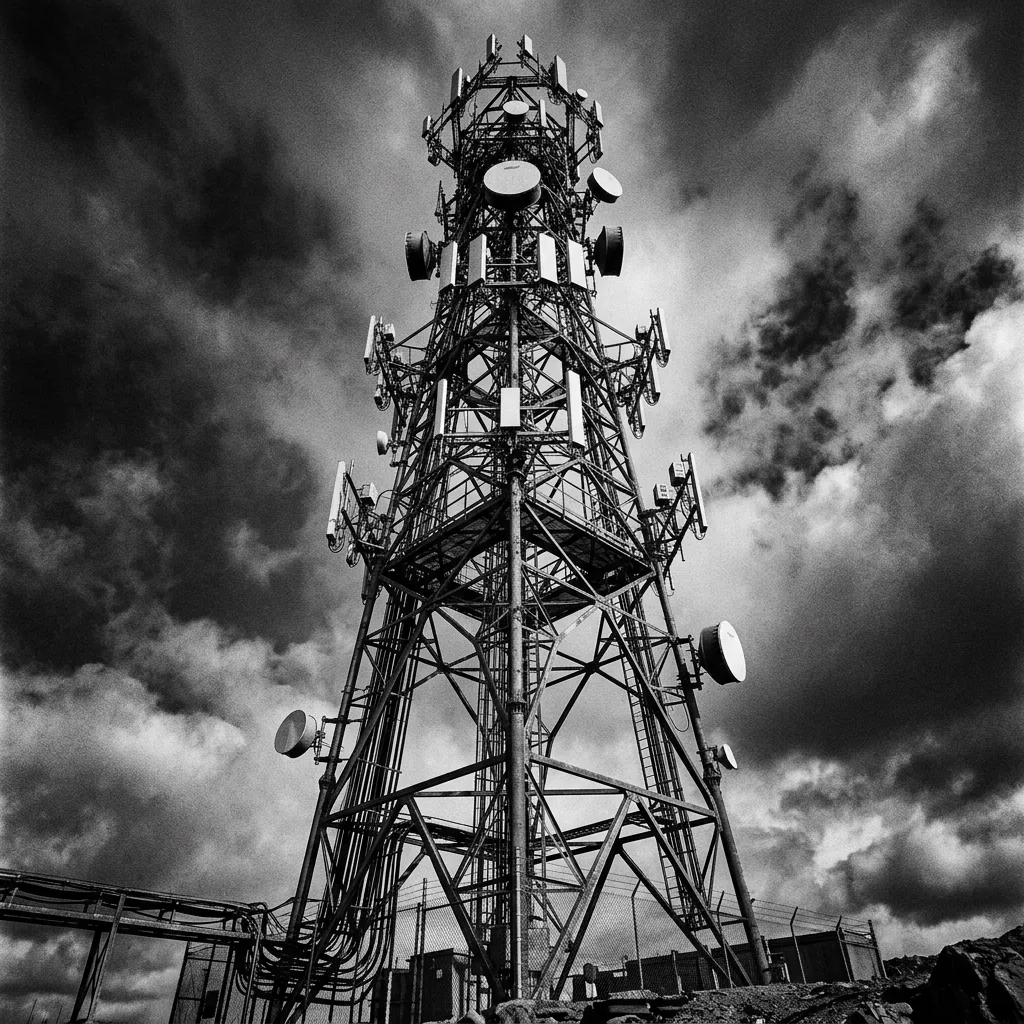
FCC DB + OpenCelliD
Cell tower locations, operators, and frequencies. Presence ≠ effect — RF must be independently measured, not assumed.
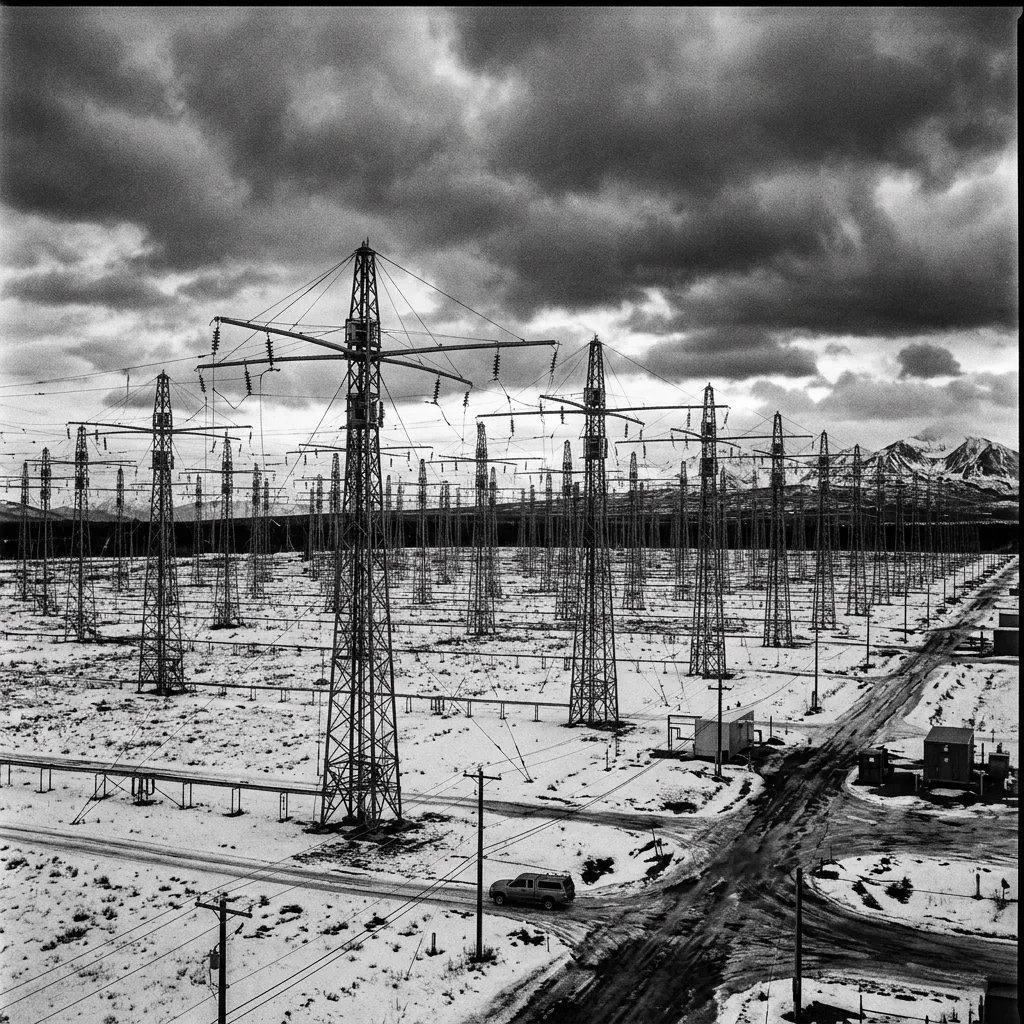
HAARP, EISCAT, Sura + Schedules
Research facility operating windows and logs. Each facility identified by real name — not generic labels. Frequency, location, and documentation.
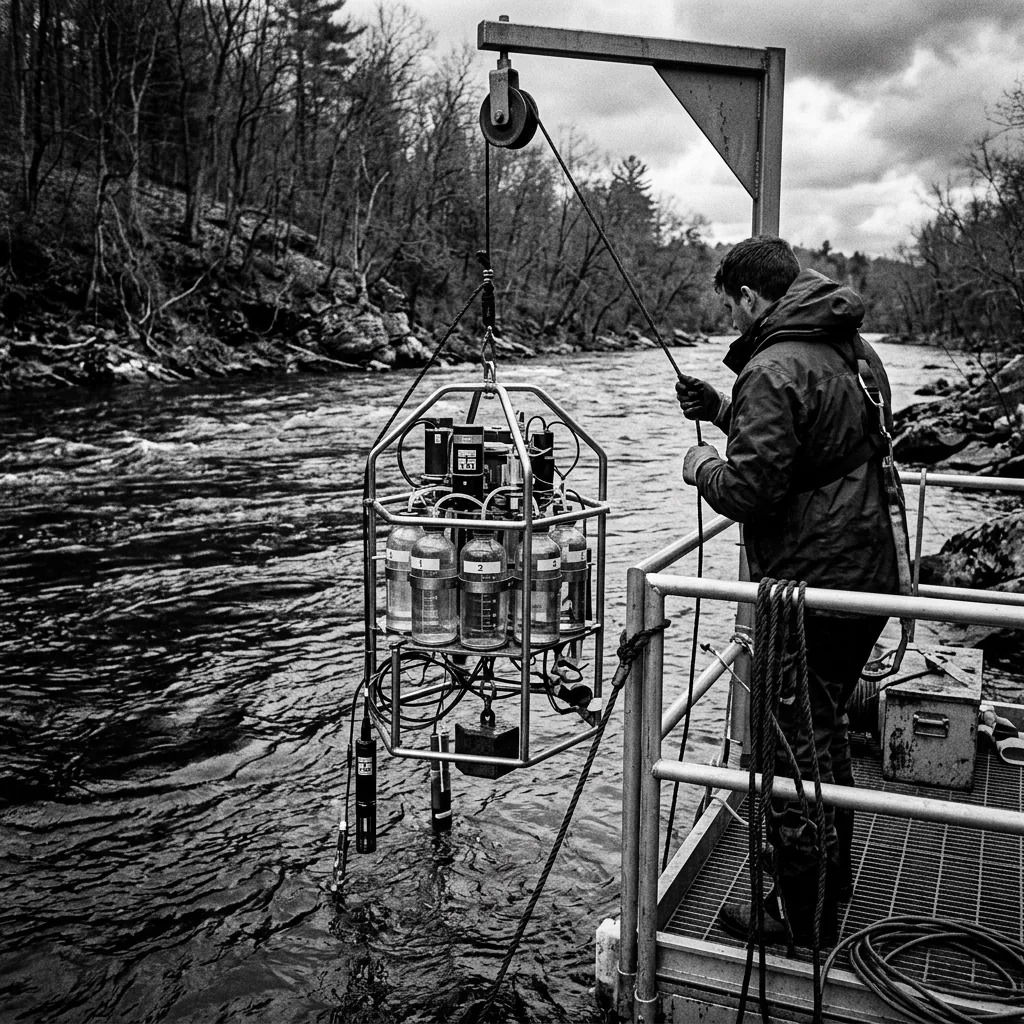
USGS / EPA AQS / NADP
Trace metal concentrations in surface water, snow, and soil. Requires baseline comparison, geographic controls, and source attribution alternatives.
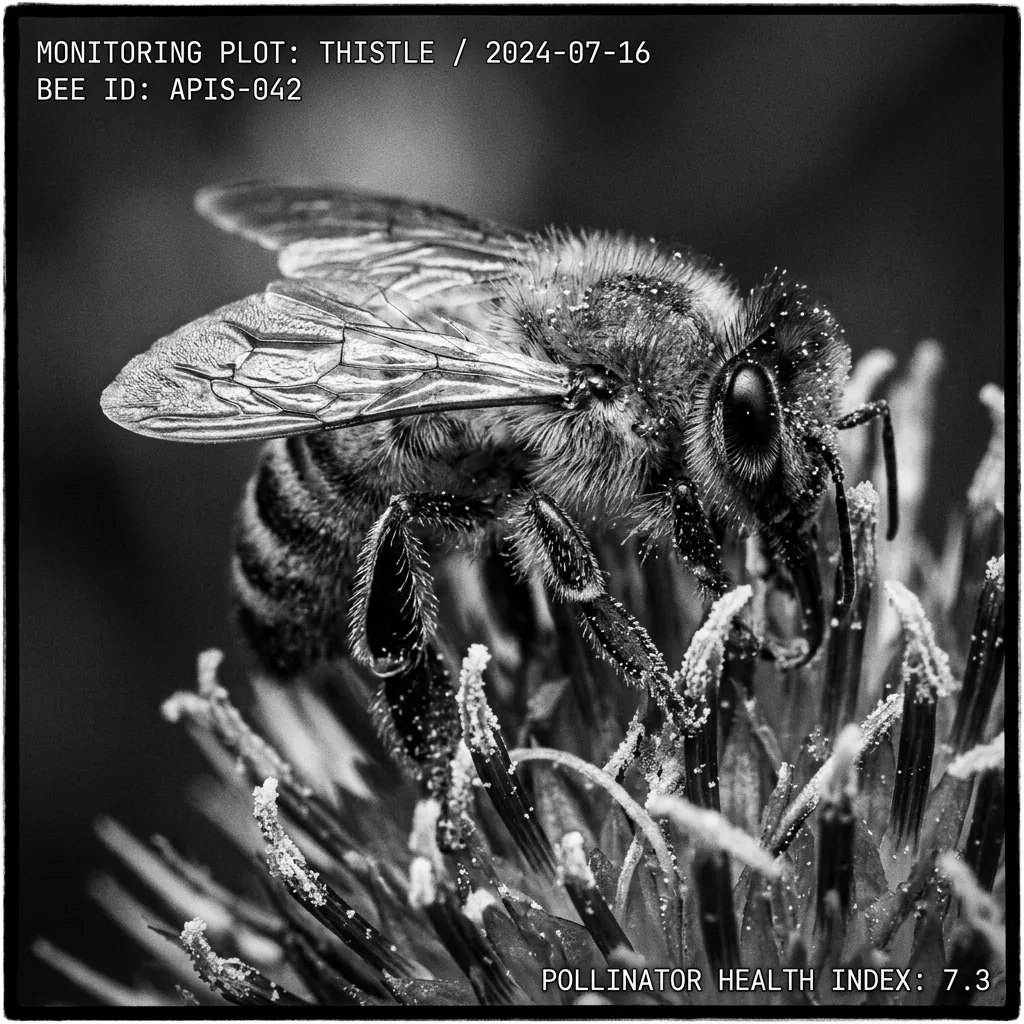
USGS Bee Lab / iNaturalist
Pollinator populations, native insect indices, and wild species observation trends. Alternative explanations (habitat, pesticide, disease) always tested first.
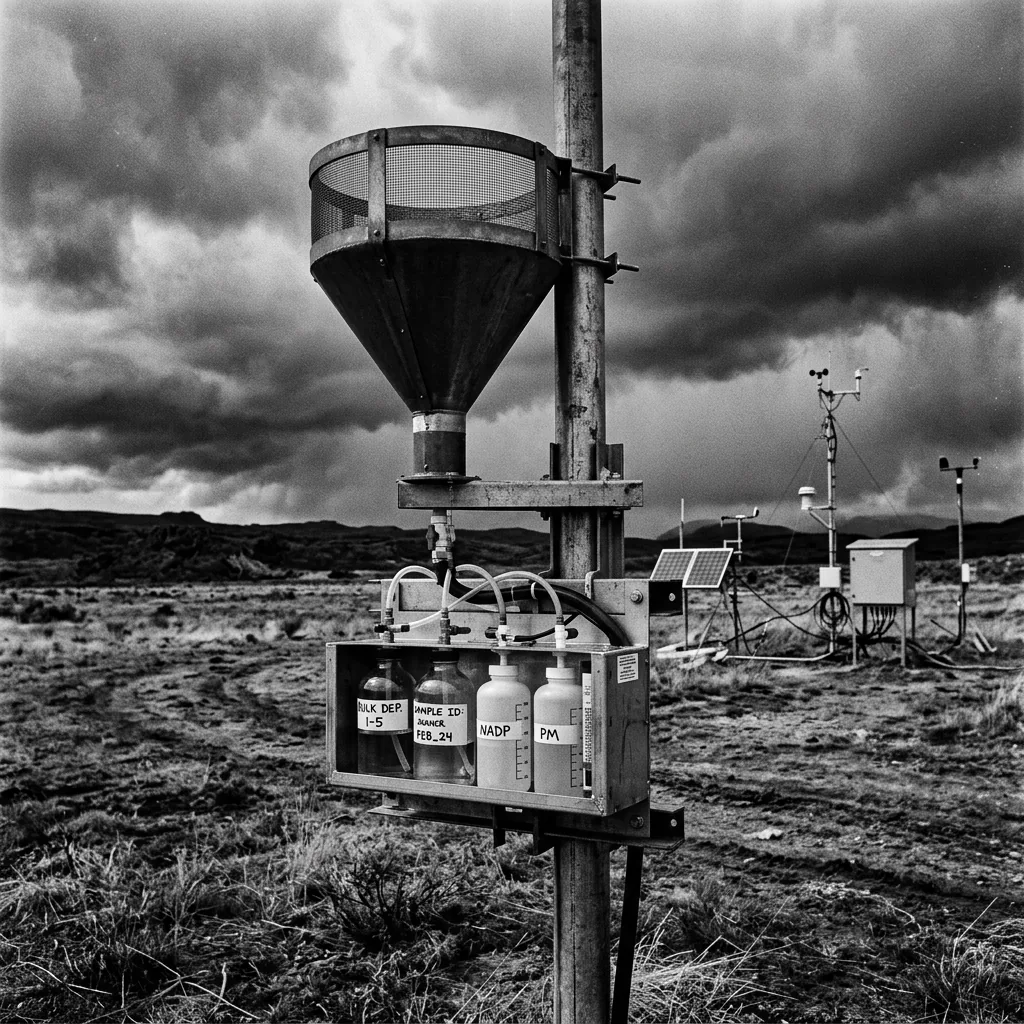
NADP / CoCoRaHS
Wet and dry deposition chemistry — sulfate, nitrate, and trace metals. Community rain-gauge network with precipitation anomaly flags.
Operating Principle
The Truth Observatory collects raw atmospheric, geophysical, and infrastructure data from public scientific sources. Every observation is hashed at collection time, logged to a permanent manifest, and stored with full provenance metadata. The raw artifact is the evidence. The manifest is the chain of custody.
We do not editorialize. We do not filter for narrative fit. When streams coincide — a geomagnetic anomaly alongside an unusual radar pattern alongside a grid demand spike — the system flags the temporal proximity. Proximity is not causation. That distinction is enforced architecturally, not by policy.
"The system must be capable of disproving the investigator's preferred explanation. If the skeptic engine is disabled, it becomes advocacy software."
Plans
Free
$0
Member
$4.99/month
Why $4.99?
Truth Observatory is meant to be a public service, not a get-rich project. The data is public, but keeping it flowing isn't free: paid data services, servers, and a lot of my own time. Your membership keeps it running, keeps the free tier free for everyone, and funds new feeds.
— Jason, founder
Secure checkout via Stripe · Cancel anytime · 7-day refund on your first payment
Support the project
Truth Observatory has no corporate backers and no advertising trackers. Memberships and one-time gifts pay for the servers and the time it takes to keep every feed honest and running. If it is useful to you, here is how to help it grow.
One-time gifts are voluntary and do not change your access. See Terms, section 7.